Understanding Anxiety in Neurodivergent Children: Why It Happens and How Adults Can Help
- Madeleine Welsh

- Jul 9
- 8 min read

Introduction
Every child feels worried sometimes.
Starting a new school, meeting unfamiliar people, sitting a test, or trying something new can all make children feel nervous. Those feelings are a normal part of growing up.
For many neurodivergent children, however, anxiety goes far beyond ordinary worries.
A child may appear to refuse school, avoid certain activities, shut down in class, become overwhelmed by small changes, or have emotional outbursts that seem to come out of nowhere. To adults, these behaviours can look confusing or even defiant. Yet beneath them is often something much deeper: a nervous system that is working incredibly hard just to cope with everyday life.
Children with autism, ADHD, dyslexia, dyscalculia, and other learning differences frequently experience anxiety at higher rates than their neurotypical peers. This doesn't mean being neurodivergent automatically causes anxiety. Instead, the way many environments are designed—and the challenges neurodivergent children often face—can increase stress over time.
Understanding anxiety in neurodivergent children begins with recognising that anxiety is not simply a behaviour problem or personality trait. For many children, it is a natural response to navigating environments that can feel overwhelming, unpredictable, or difficult to process.
Instead of asking, "What's wrong with this child?" we begin asking, "What might this child be experiencing?"
That shift in perspective is often the first step toward meaningful support.
What Is Anxiety?
Anxiety is the body's natural response to uncertainty, perceived danger, or overwhelming situations.
It prepares us to respond when we believe something may threaten our safety or well-being.
Sometimes anxiety is helpful.
It can encourage us to prepare for an exam, pay attention when crossing a road, or think carefully before making an important decision.
However, anxiety becomes more challenging when it remains active even in situations that are not truly dangerous or when it becomes so intense that it interferes with everyday life.
Children experiencing anxiety may find it difficult to:
concentrate
sleep
make decisions
try new activities
separate from parents
participate in school
regulate emotions
Importantly, anxiety isn't simply "being shy" or "overreacting." It is a genuine emotional and physical experience.
Understanding Anxiety in Neurodivergent Children
There isn't one single reason.
Instead, many factors often combine.
Constantly Navigating a World That Wasn't Designed for Them
Many neurodivergent children spend every day adapting to environments that can feel overwhelming.
Imagine trying to learn while:
fluorescent lights feel painfully bright
background conversations are impossible to ignore
unexpected schedule changes feel distressing
social rules seem confusing
instructions are difficult to process
you're worried about making mistakes

Over time, living in this state of heightened alert can naturally increase anxiety.
The anxiety isn't a character flaw.
It's often a response to repeated experiences of uncertainty, misunderstanding, or overload.
Past Experiences Matter
Children remember more than adults often realize.
If a child has repeatedly experienced:
bullying
embarrassment
exclusion
criticism
sensory overload
academic struggles
their brain may begin expecting those experiences to happen again.
This is one reason anxiety can become so persistent.
Even when entering a safe classroom, a child's brain may still be preparing for danger because that's what previous experiences have taught them to expect.
The Energy Required to Cope
Many neurodivergent children spend enormous amounts of energy trying to fit into environments that don't naturally suit them.
Some constantly monitor social interactions.
Others work incredibly hard to hide sensory discomfort.
Some force themselves to sit still despite overwhelming internal restlessness.
Others rehearse conversations repeatedly before speaking.
All of this requires energy.
Eventually, that mental effort can contribute to chronic stress and anxiety.
How Anxiety Can Look Different
One of the biggest misconceptions about anxiety is that it always looks like fear.
In reality, anxiety often wears many different masks.
Some children become extremely quiet.
Others become loud.
Some appear angry.
Others seem distracted.
Many adults don't recognize anxiety because they expect every anxious child to cry or say they're scared.
Instead, anxiety may look like:
perfectionism
procrastination
refusing school
avoiding homework
headaches
stomach aches
frequent trips to the bathroom
emotional outbursts
shutdowns
constant reassurance seeking
rigid routines
difficulty transitioning between activities
Understanding these behaviours through the lens of anxiety helps adults respond with curiosity rather than frustration.
Anxiety at School

School can be one of the biggest sources of anxiety for neurodivergent students.
For many children, school isn't just about learning.
It's about navigating dozens of social, sensory, organizational, and academic demands every single day.
Consider everything a child may need to manage before lunch:
remembering supplies
understanding verbal instructions
coping with noisy hallways
transitioning between activities
interpreting social interactions
managing sensory input
keeping pace with classmates
asking for help when confused
Each individual task may seem small.
Together, they can become overwhelming.
When anxiety builds throughout the day, children may appear tired, distracted, irritable, or unwilling to participate.
These reactions are often signs that their nervous system is reaching its limit—not that they don't care about learning.
Anxiety at Home
Many parents notice something surprising.
Their child appears to hold everything together at school, only to completely fall apart after getting home.
This experience is sometimes described as an "after-school collapse."
Home feels safe.
It is often the first place where children no longer have to suppress their emotions or work so hard to meet expectations.
What may look like a sudden emotional outburst is often the release of stress that has been building throughout the day.
Understanding this pattern can help parents respond with compassion instead of assuming their child is simply being difficult.
When Anxiety Is Mistaken for Behaviour Problems
One of the greatest challenges facing anxious neurodivergent children is that anxiety is often misunderstood.
A child who refuses to enter the classroom may be labelled as defiant.
A child who forgets their homework may be called irresponsible.
A child who becomes overwhelmed during a noisy assembly may be seen as disruptive.
Yet beneath these behaviours is often a child whose nervous system feels overloaded.
When adults only respond to the behaviour without asking what caused it, opportunities for support can be missed.
This doesn't mean expectations should disappear. Children still benefit from routines, boundaries, and learning appropriate behaviours. However, understanding why a behaviour is happening allows adults to respond more effectively.
Instead of asking:
"How do I stop this behaviour?"
Try asking:
"What is this behaviour communicating?"
That simple shift can change the entire conversation.
Helping Children Feel Safe
Children learn best when they feel safe.
Safety isn't only about physical protection—it also includes emotional and psychological safety.
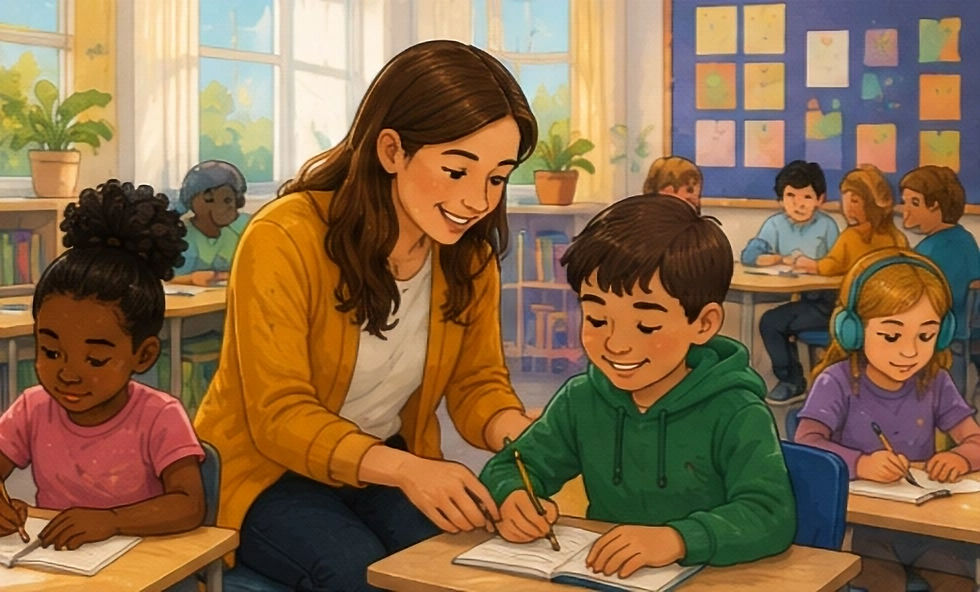
Children are more likely to manage anxiety when they know:
adults will listen without judgement
mistakes are part of learning
routines are predictable
they have strategies for coping with stress
asking for help is encouraged
their differences are understood rather than criticized
When children feel safe, their brains can spend less energy scanning for danger and more energy focusing on learning, friendships, and personal growth.
Practical Strategies for Parents
Parents cannot remove every source of anxiety, but they can create an environment that helps children feel supported and understood.
Listen Before Solving
When children share worries, our first instinct is often to reassure them immediately.
Sometimes what they need most is simply to feel heard.
Try saying:
"That sounds really difficult."
"I'm glad you told me."
"Let's work through this together."
Feeling understood can reduce anxiety before any solution is even discussed.
Create Predictable Routines
Predictability helps reduce uncertainty.
Simple routines around mornings, homework, meals, and bedtime can help children feel more secure.
Visual schedules, calendars, or checklists may also reduce stress for children who struggle with organization or transitions.
Focus on Progress, Not Perfection
Many anxious children place enormous pressure on themselves.
Celebrate effort.
Recognize courage.
Notice small successes.
Building confidence happens one step at a time.
Teach Healthy Coping Skills
Every child is different, but helpful strategies may include:
deep breathing
movement breaks
sensory tools
quiet spaces
drawing or journaling
listening to calming music
spending time outdoors
Rather than waiting until a child is overwhelmed, practise these strategies during calm moments so they become familiar when anxiety increases.
Practical Strategies for Teachers
Teachers play an incredibly important role in reducing anxiety.
Often, small adjustments can make a meaningful difference.
Make Expectations Clear
Children experience less anxiety when they know what to expect.
Explain:
today's schedule
learning goals
transitions
changes to routines
Providing advance notice whenever possible can reduce unnecessary stress.
Offer Choices
Giving students appropriate choices helps build a sense of control.
For example:
Would you like to write or type your response?
Would you prefer to work independently or with a partner?
Would you like to present today or tomorrow?
Small choices can significantly reduce anxiety.
Create Calm Spaces
A quiet area where students can briefly regulate their emotions is not a reward for difficult behaviour.
It is a supportive strategy.
Many students return to learning more quickly after a short opportunity to reset.
Avoid Public Embarrassment
Correcting students publicly can increase anxiety, especially for children who already fear making mistakes.
Whenever possible:
provide feedback privately
praise effort publicly
correct respectfully
maintain dignity
Children remember how adults make them feel.
Build Relationships
Research consistently shows that positive teacher-student relationships support learning and emotional well-being.
A child who feels understood is more likely to:
ask questions
take learning risks
seek help
recover from setbacks
enjoy school
Sometimes the relationship itself becomes one of the strongest protective factors against anxiety.
When to Seek Additional Support
Every child experiences anxiety differently.
Professional support may be appropriate when anxiety:
regularly interferes with school attendance
affects friendships
causes ongoing sleep difficulties
significantly impacts family life
prevents participation in everyday activities
leads to persistent emotional distress
Speaking with a family doctor, psychologist, school counsellor, or other qualified professional can help determine the most appropriate support.
Seeking help is not a sign that anyone has failed.
It is simply another way of helping a child thrive.
Looking Beyond the Anxiety
One of the most powerful things adults can do is remember that anxiety is only one part of a child's story.
Behind every anxious child is a unique individual with strengths, interests, creativity, curiosity, and enormous potential.
When we focus only on reducing anxiety, we risk overlooking everything else that makes that child who they are.
The goal isn't to create children who never feel anxious.
The goal is to help children develop the confidence, support, and understanding they need to navigate life's challenges while knowing they are valued exactly as they are.
Key Takeaways
Anxiety is common among neurodivergent children but often misunderstood.
Anxiety may appear as avoidance, perfectionism, emotional outbursts, shutdowns, or physical complaints.
School environments can unintentionally increase anxiety through sensory, academic, and social demands.
Home may become the place where children finally release the stress they have carried all day.
Parents and teachers can reduce anxiety by creating predictable, supportive, and understanding environments.
Looking beneath behaviour often reveals the anxiety driving it.
Early understanding and appropriate support can help children build resilience and confidence.

Frequently Asked Questions
Is anxiety common in autistic children?
Yes. Research suggests that anxiety is more common among autistic individuals than in the general population. Sensory differences, uncertainty, social demands, and previous experiences may all contribute.
Can children have both ADHD and anxiety?
Absolutely. ADHD and anxiety frequently occur together. While they are different conditions, they can influence one another and sometimes share similar behaviours, making careful assessment important.
Does anxiety always look like fear?
No. Anxiety can appear as perfectionism, avoidance, irritability, emotional outbursts, physical complaints, or withdrawal.
Can school cause anxiety?
School itself isn't the cause of anxiety for every child, but school environments can contribute to anxiety when children experience repeated stress, sensory overload, bullying, misunderstanding, or unrealistic expectations.
What is the most helpful thing adults can do?
Listen with curiosity rather than judgement.
When adults seek to understand before reacting, children are more likely to feel safe enough to communicate what they are experiencing.
Final Thoughts
Anxiety is not a sign of weakness, laziness, or poor parenting.
For many neurodivergent children, it is a natural response to navigating environments that can feel confusing, overwhelming, or unpredictable.
When adults shift from asking, "Why won't this child cooperate?" to "What might this child be experiencing?" everything begins to change.
Children who feel understood are more likely to develop confidence.
Children who feel safe are more likely to learn.
And children who are accepted for who they are are more likely to discover just how capable they truly are.
If these ideas resonate with you, you may also find value in my memoir, The Cost of Being Different. While this article focuses on practical guidance, my book shares the lived experiences that inspired my passion for creating more understanding and inclusive schools.


Comments